The global construction equipment market is undergoing a green transformation as manufacturers and contractors adopt electric and hydrogen-powered machinery. This shift is driven by growing environmental awareness, government regulations, and advancements in sustainable technology.
Leading Manufacturers Driving the Green Revolution
Major companies like Volvo Construction Equipment, Caterpillar, Komatsu, and UK-based JCB are spearheading the development of zero-emission construction machines. These range from compact electric excavators to large hydrogen fuel cell haul trucks.
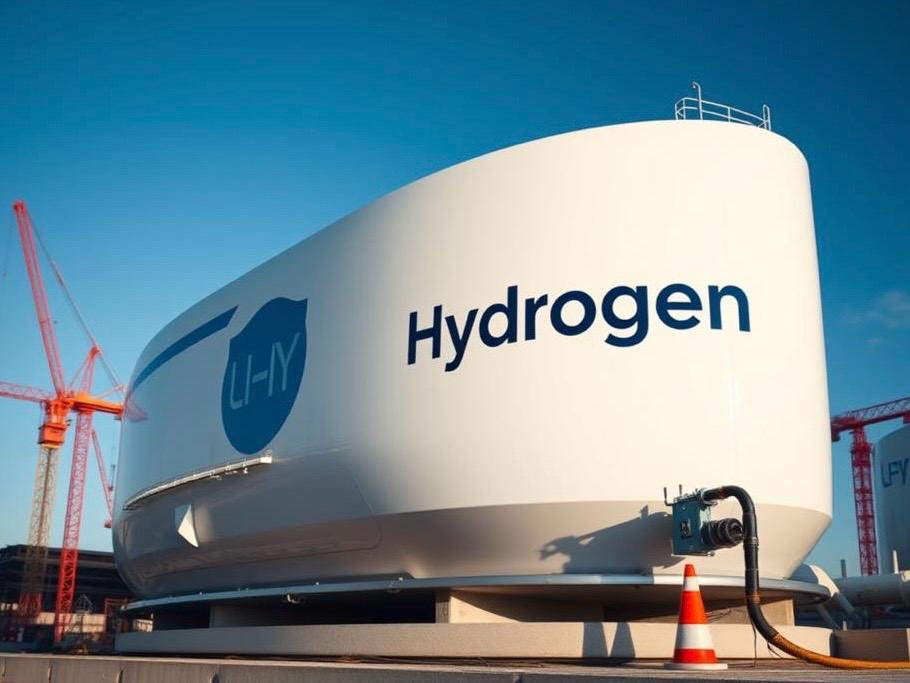
JCB has made notable progress with hydrogen combustion engines, launching prototypes such as hydrogen-powered backhoe loaders and telehandlers. Their hydrogen solutions include onsite refuelling infrastructure, helping UK contractors transition to cleaner machinery.
Sources:
Volvo CE’s Sustainability Initiatives
Caterpillar’s Electric and Hydrogen Programs
JCB Hydrogen Projects
Real-World Trials and UK Impact
Electric and hydrogen equipment are not just future concepts—they are already in use. In 2025, BAM Construction trialed a JCB hydrogen telehandler on a Birmingham site, demonstrating practical zero-emission operation with easy refueling from mobile hydrogen trailers.
UK cities like London are also pioneering low-emission construction zones, encouraging electric equipment to reduce noise and air pollution.
Sources:
BAM Construction Hydrogen Trials
UK Construction Sector Decarbonisation Roadmap
London’s Clean Air Action Plan
Drivers of Market Growth
The momentum is fuelled by:
- Heightened environmental awareness and pressure to reduce carbon emissions
- Stricter UK and global government regulations and incentives for zero-emission machinery
- Advances in battery and hydrogen fuel cell technology lowering costs and improving performance
- Infrastructure development for hydrogen refuelling and electric charging at construction sites
Learn more about UK policies here:
UK Hydrogen Strategy
Future Trends and Challenges
Hybrid machines may serve as transitional technology, but fully electric and hydrogen equipment are expected to dominate by the 2030s and 2040s. Challenges remain, including upfront costs, infrastructure expansion, and supply chain scaling, but investments and innovation continue to accelerate progress.
For insights on battery technology and hydrogen fuel cells, see:
U.S. Department of Energy Battery Research
UK Construction Leadership Council Decarbonisation
Summary & Key Takeaways
The UK construction industry is actively embracing electric and hydrogen-powered equipment as part of a global shift toward sustainability. Major manufacturers, supported by government policies and real-world trials, are proving these technologies are viable and ready for broader adoption.
As technology advances and infrastructure expands, zero-emission construction machinery will become a standard, helping the UK meet ambitious climate targets and creating cleaner, quieter job sites.
Curated by: Marlon Amele MCIOB, Chartered Construction Manager with a strong interest in sustainable building and construction technology.
References
- Volvo CE News (2025). Sustainability Initiatives
- Caterpillar Sustainability (2025). Electric & Hydrogen Machinery Programs
- JCB Hydrogen Projects (2025)
- BAM Construction News (2025). Hydrogen Equipment Trials
- UK Government (2024). Construction Sector Decarbonisation Roadmap
- London.gov.uk (2024). Clean Air Action Plan
- UK Hydrogen Strategy (2023)
- U.S. Department of Energy (2025). Battery Research
- UK Construction Leadership Council (2024). Decarbonisation Report
About the Creator

© 2026 Marlon Amele MCIOB
Chartered Construction Professional with 25 years’ experience.
Based in Hertfordshire, UK.
Specialising in sustainable building, project risk, and AI-driven compliance.
 Construction & eco-friendly building explained
Leave a comment